 Garage Doors Green EZ Services
Most door shopping starts with looks. That's fair, since the door can cover a big share of the front of a house. But the choice that matters day to day is how the door is built and how well it's installed.
Here's a simple way to work through the decision, plus a few numbers that are easy to misread.
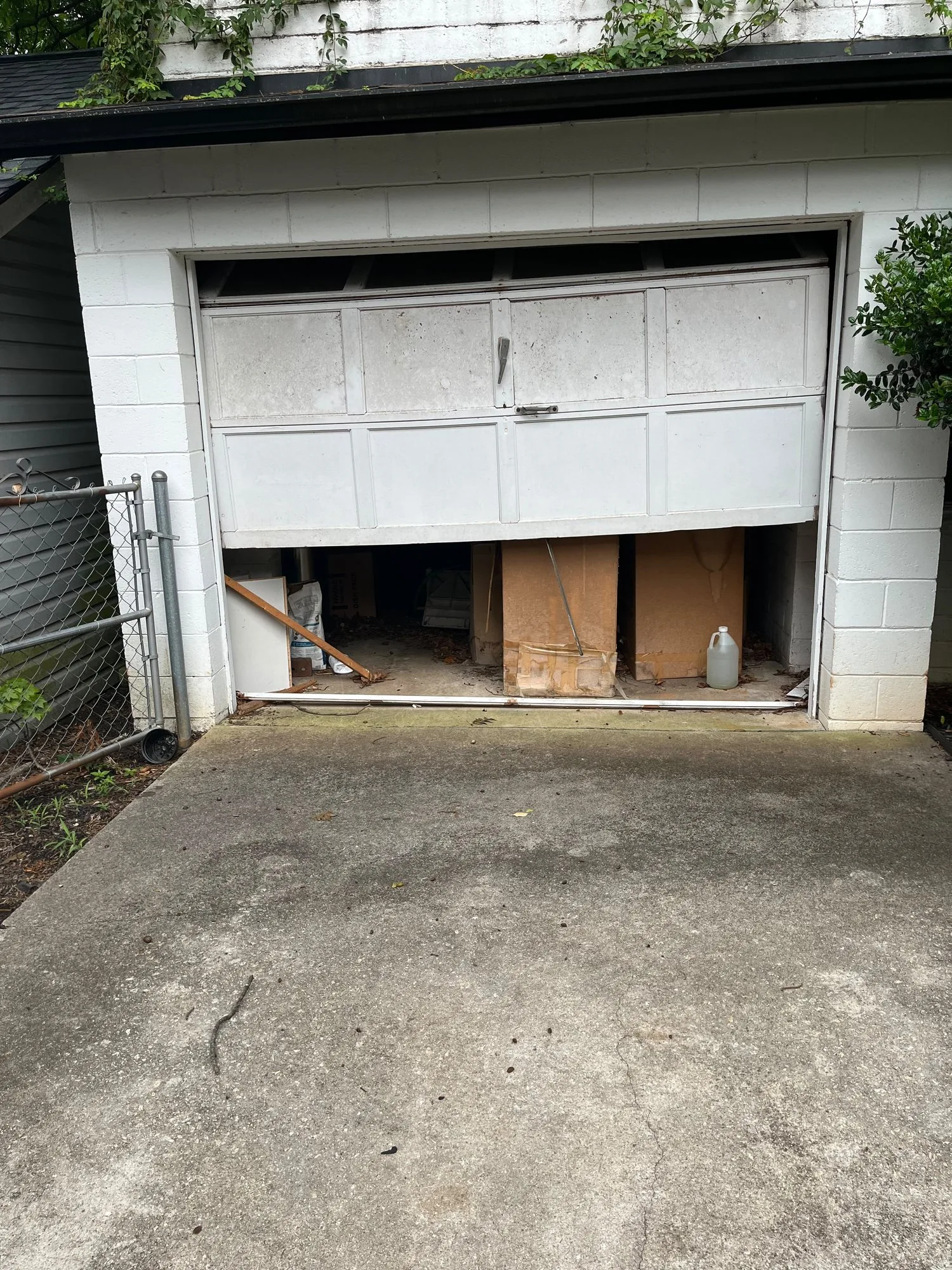
Signs it's time for a new door
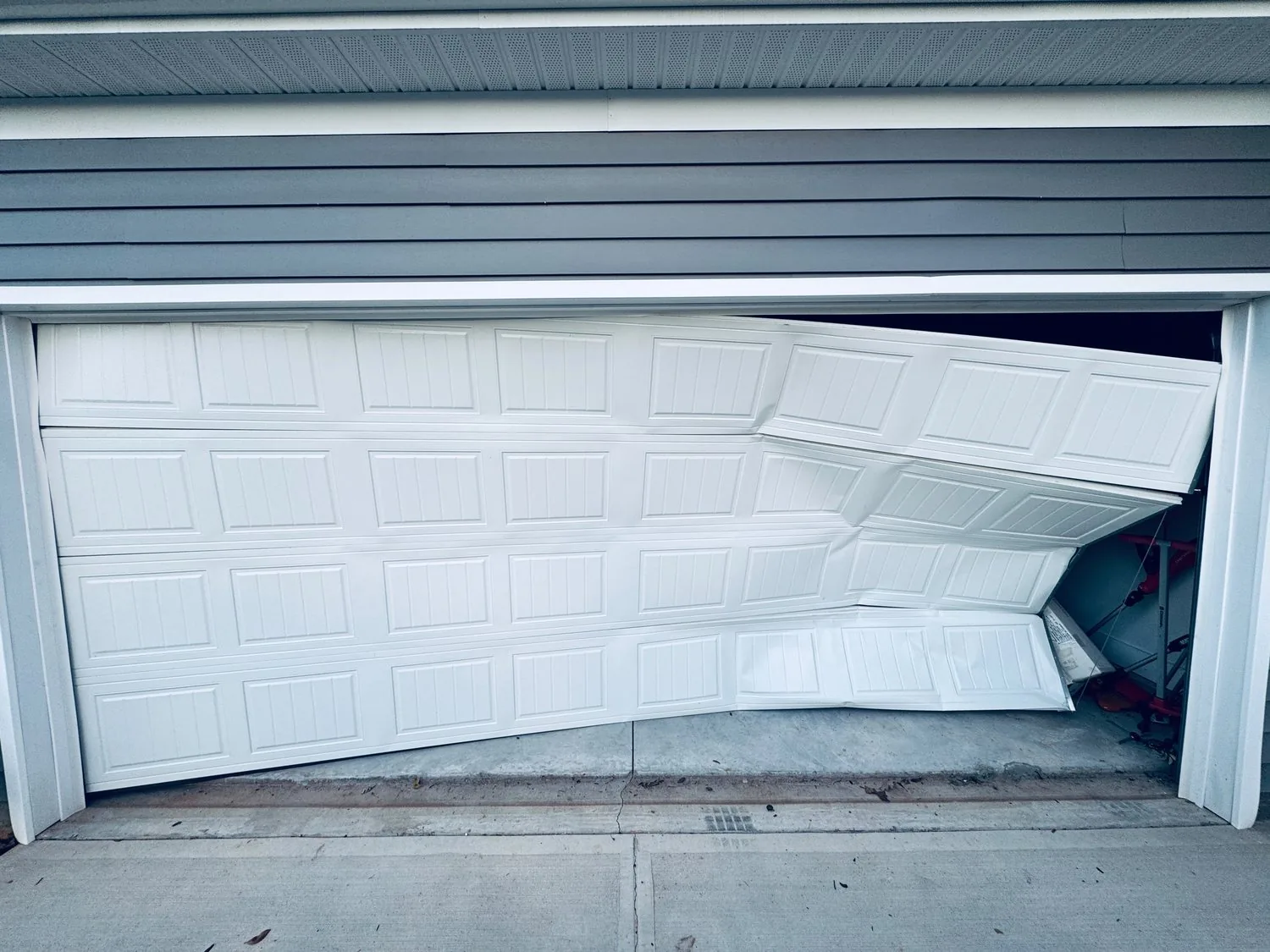
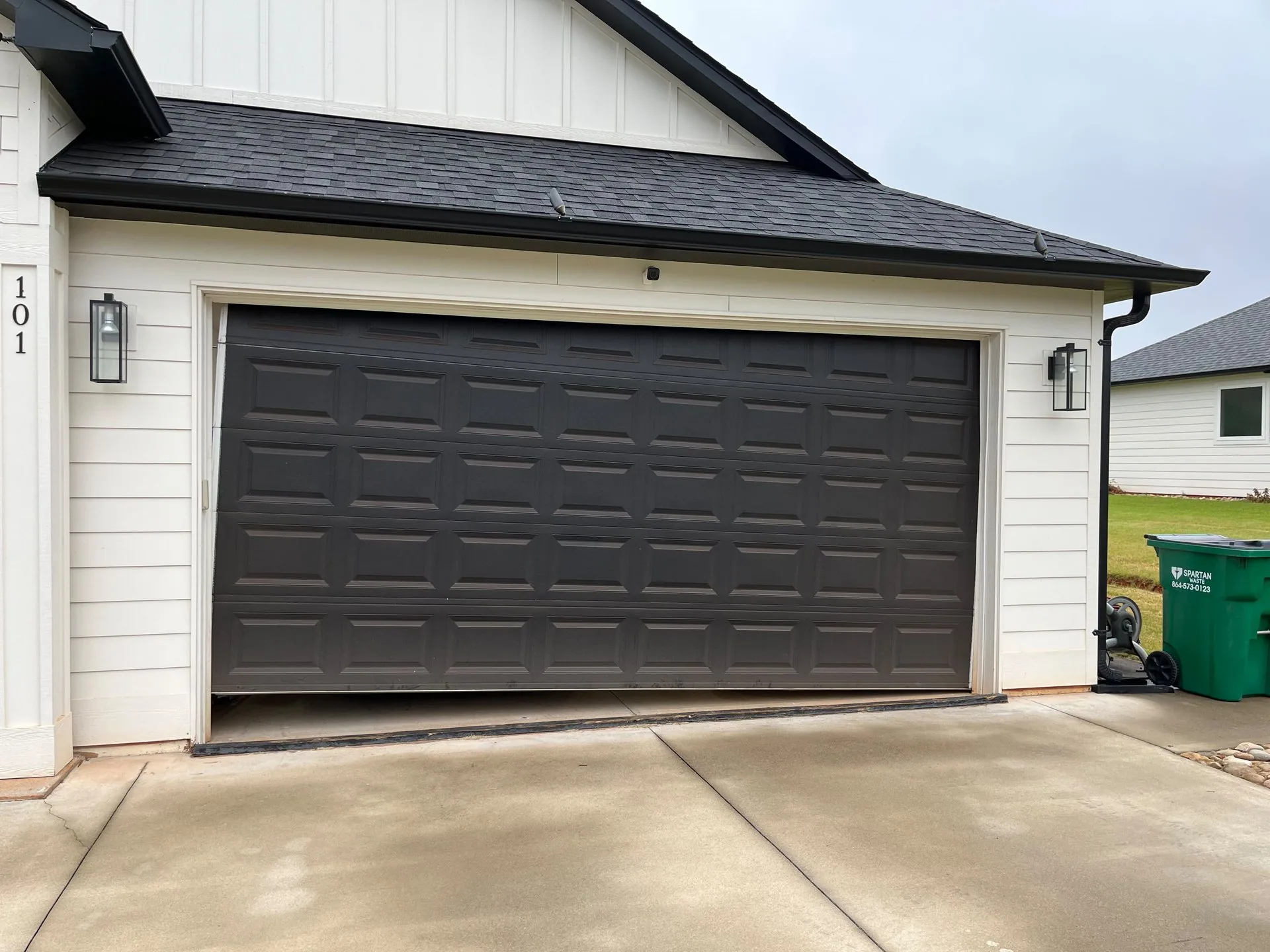
- Several sections are bent, cracked or rusted through.
- Matching replacement sections aren't made anymore.
- The door is heavy, drafty or noisy even after repairs.
- You want a different look, windows or insulation the old door can't offer.
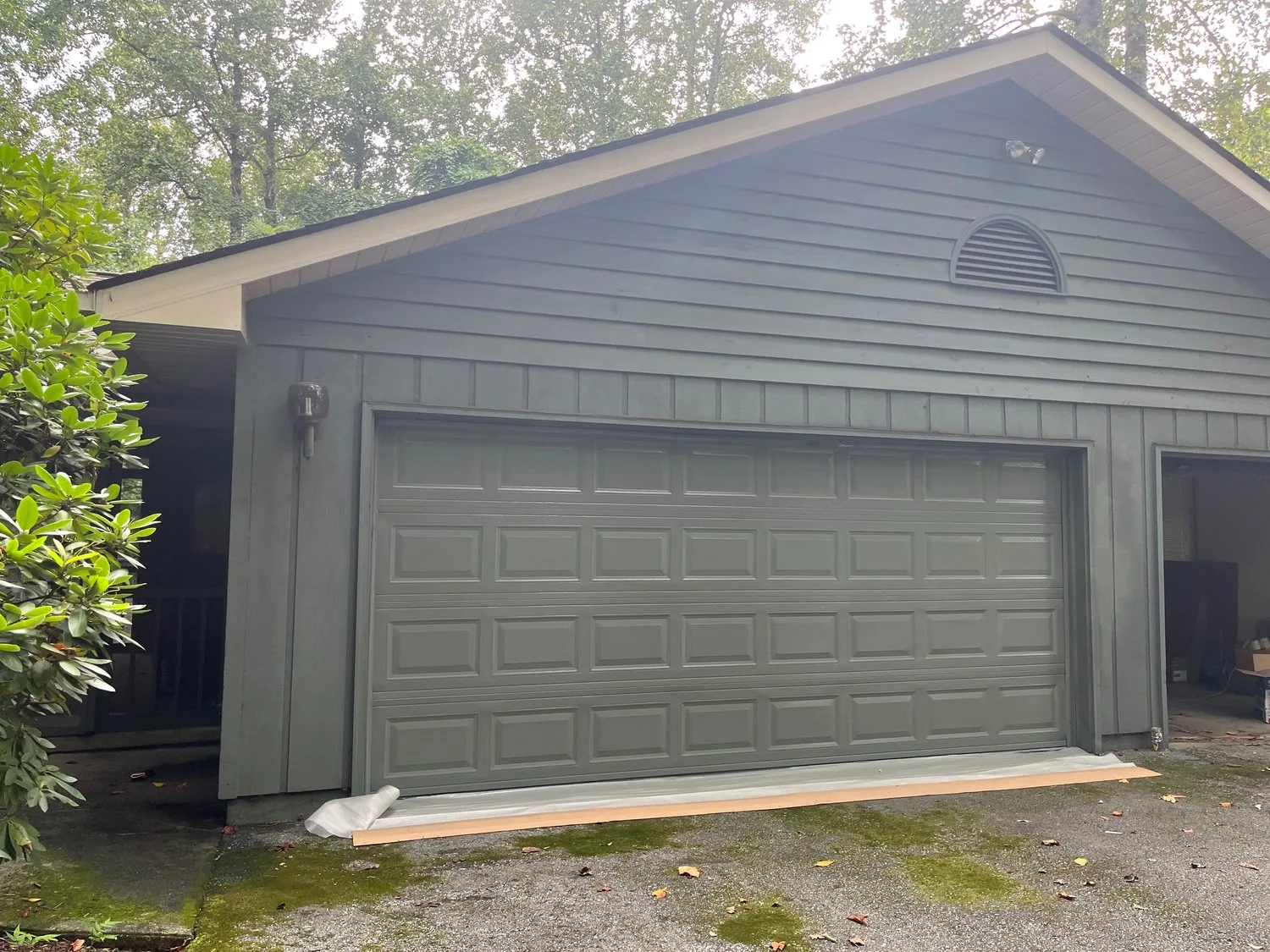
Damage limited to a section or two? Read our guide on repair or replace first. A full new door isn't always the answer.
Style and material
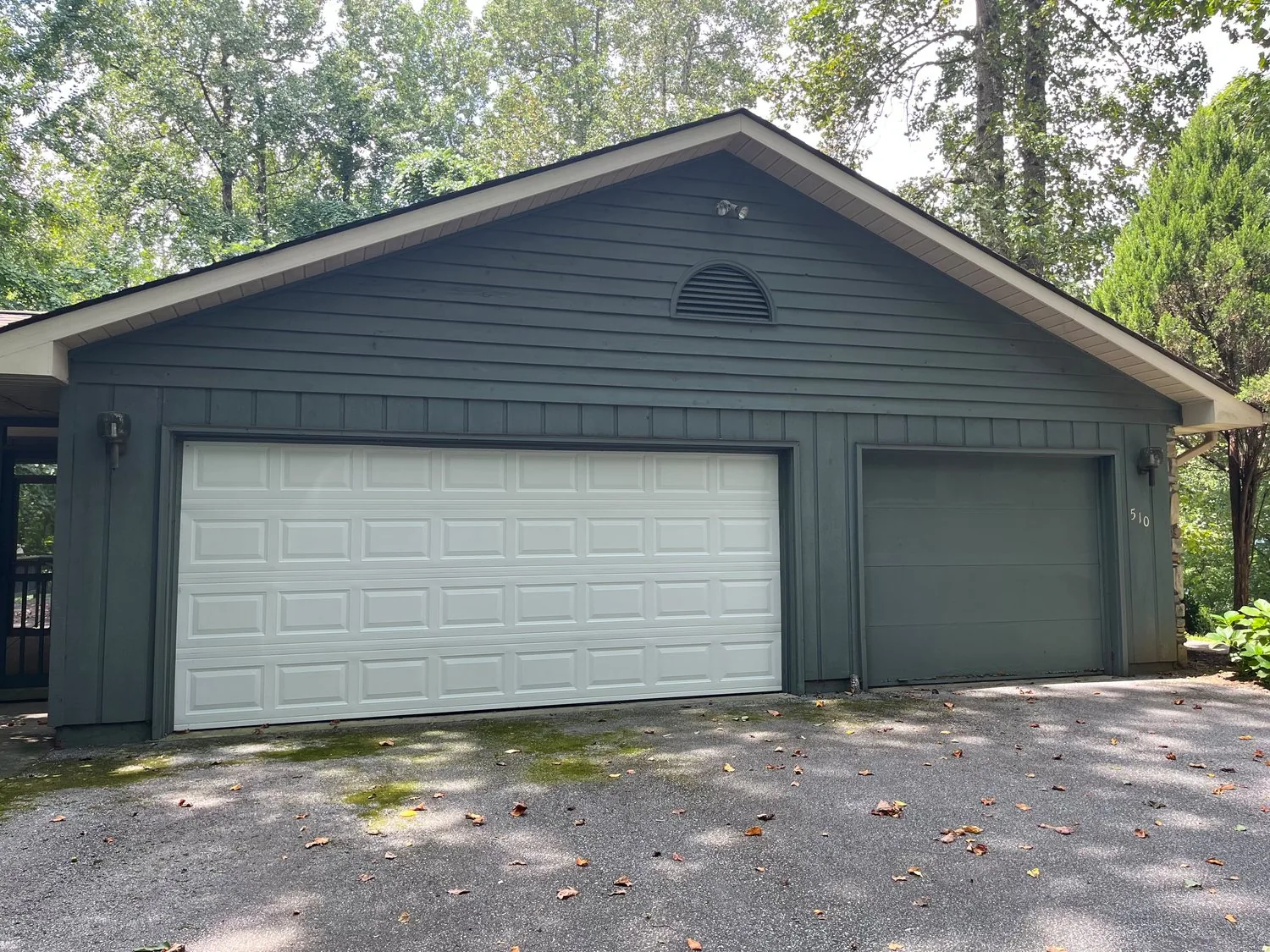
Steel doors come in a wide range of looks. The main style choices:
| Choice | What to think about |
|---|---|
| Raised panel | Classic look that suits most brick and siding homes |
| Flush or flat panel | Cleaner, more modern lines |
| Carriage-house style | Barn-door look with decorative hardware |
| Color | Pick it against your trim, brick or siding, not on its own |
| Windows | More daylight in the garage, less privacy |
Insulation: reading the numbers
Insulation earns its keep when the garage shares a wall with the house, sits under a bedroom, or is where you spend weekends working. Just know what the label means.
- R-value measures resistance to heat flow. Higher is better.
- U-factor measures how much heat passes through. Lower is better.
DASMA's technical data sheet on the subject says a calculated R-value describes only a door section, not the whole installed door with its joints and edges. A tested U-factor (measured under the DASMA 105 standard) covers the complete door, and DASMA says it gives the highest confidence when comparing doors.
When you compare two insulated doors, ask for the U-factor if the maker publishes one.
Windows or no windows
- Top-row windows let light in while keeping most of the garage out of view.
- A full window section brightens a workshop but shows more of what's inside.
- Solid door gives the most privacy.
Wind ratings and storm season
NOAA's Atlantic hurricane season runs from June 1 through November 30. The Upstate is well inland, but storm systems still bring strong wind, and a garage door is one of the largest openings on a house.
Wind-rated doors are built and labeled for specific design pressures. DASMA's wind load guide shows that the right rating depends on the local basic wind speed, the exposure category of the site and the size of the door, and it states that the local building authority is the final judge of what's required.
If you're building, adding on or replacing a door where a permit is involved, ask the Greenville County or city building office what wind rating applies to your address.
Installation matters as much as the door
- DASMA recommends that trained door technicians install garage doors.
- DASMA also says to use the track designed for your specific door, not the old track.
- The springs must be matched to the new door's weight, or the opener ends up doing the lifting.
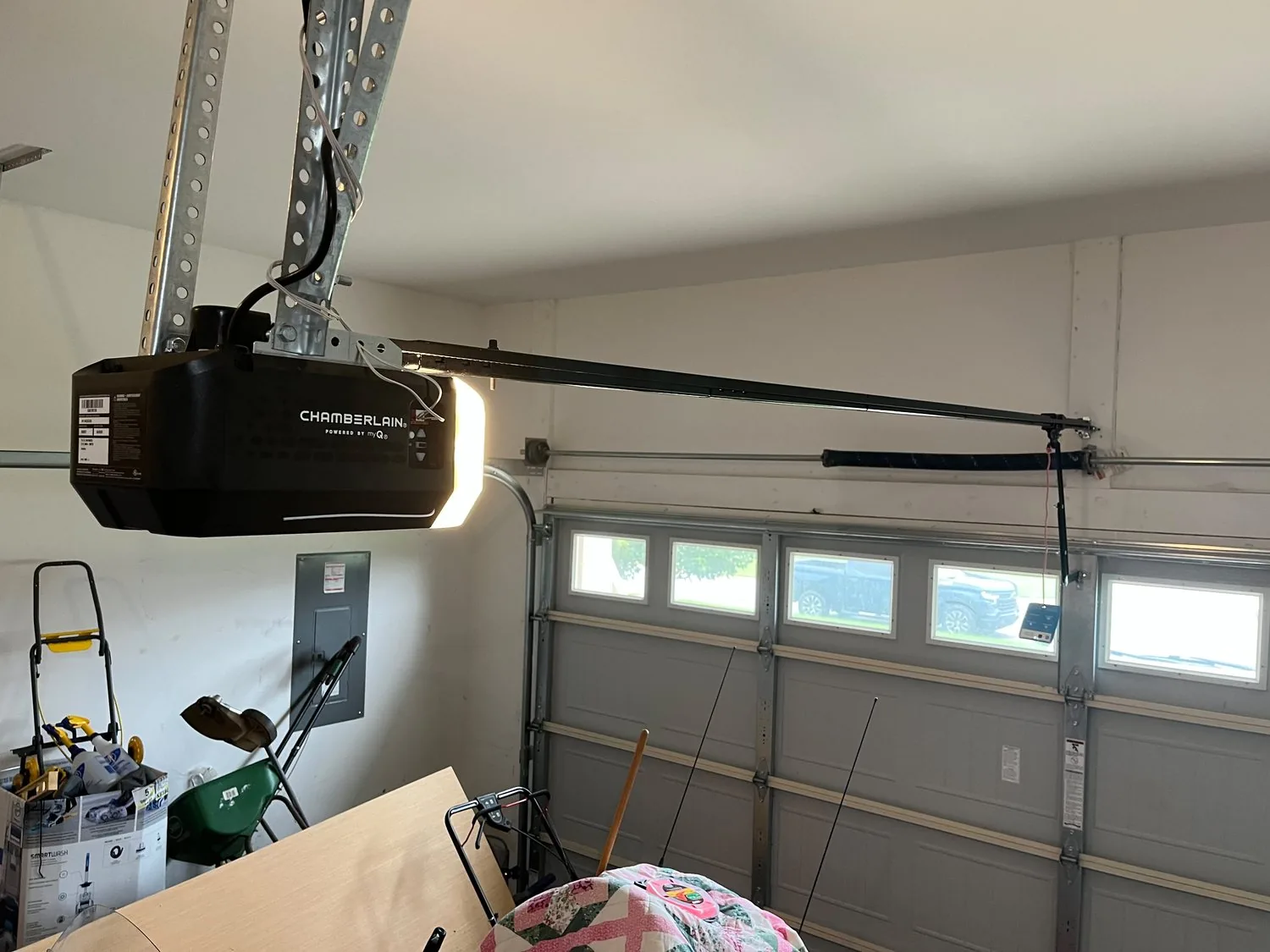
- A new opener or reconnected opener should pass the reverse test before the job is done.
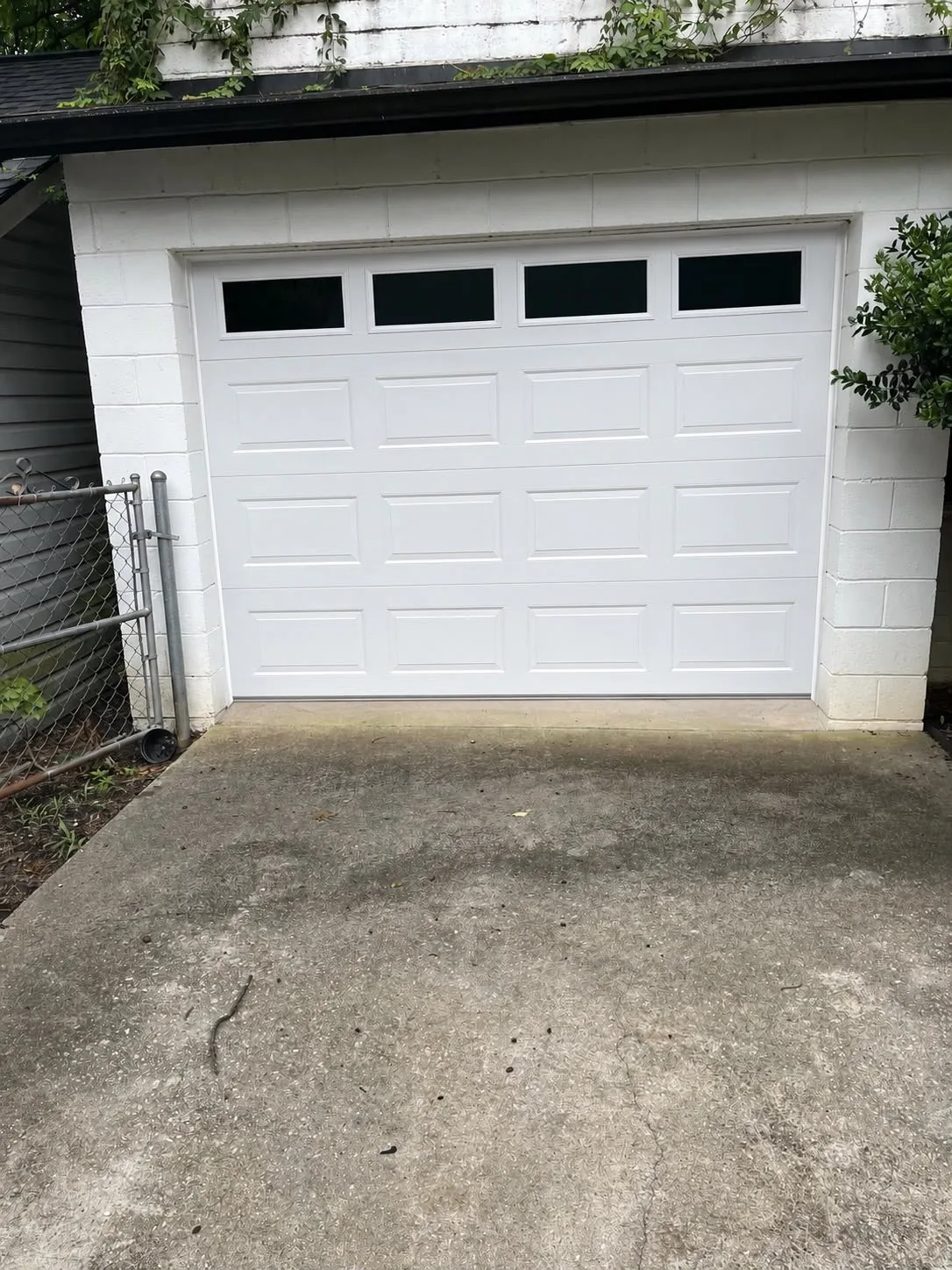
We install new doors and Chamberlain openers across Greenville and the Upstate, walk through the options with you, and give a price before work starts. See garage door installation.
Need it fixed?
Garage Door Installation across Greenville and the Upstate
Upfront pricing, a 5.0-star Google rating and a Greenville crew that explains the fix first.
Frequently asked questions
Is an insulated garage door worth it in Greenville?
That comes down to how the space gets used. Garages tied to living space, or used as a shop, gain the most. Compare doors by tested U-factor where the maker lists it.
What's the difference between R-value and U-factor?
R-value measures a door section's resistance to heat flow. U-factor, tested under DASMA 105, measures heat moving through the whole installed door. DASMA treats U-factor as the more reliable comparison.
Do I need a wind-rated garage door in the Upstate?
Requirements depend on local wind speed, site exposure and door size, and the local building authority makes the call. Ask your city or county building office before you buy.
Should I replace my opener with a new door?
Not always. If the opener is working, sized right and passes the reverse test, it can often stay. We'll check it during the visit and tell you straight.