 Garage Doors Green EZ Services
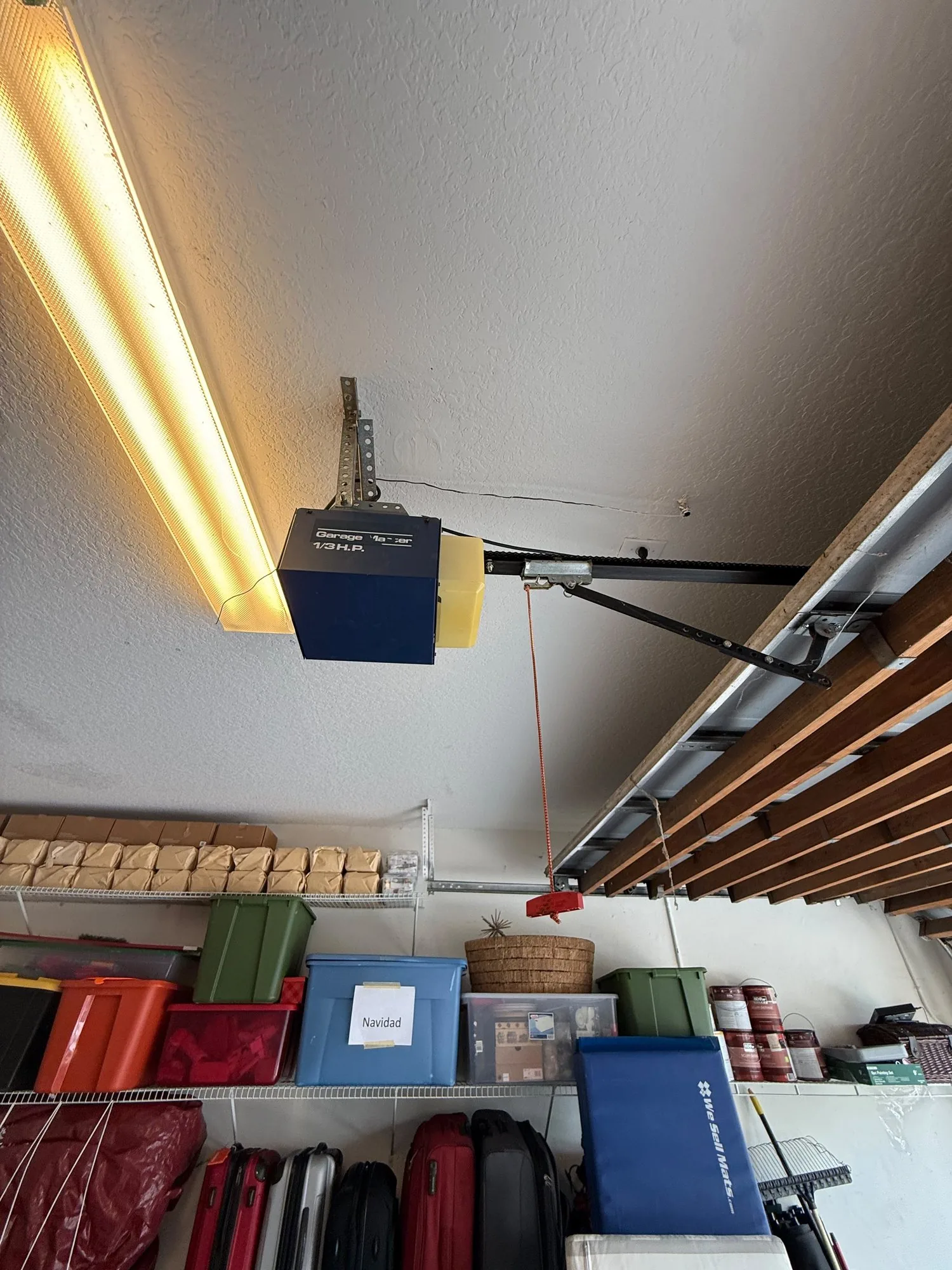
Every automatic residential opener sold in the U.S. has to be able to stop and reverse a closing door. That requirement comes from a federal safety standard, and it's the reason the two small sensors near the floor of your garage exist.
Below: what the rule says, the most common reasons a door won't close, and the monthly test the CPSC and opener makers ask homeowners to run.
UL 325 and the federal entrapment rule
The Consumer Product Safety Commission first issued its garage door opener standard, 16 CFR Part 1211, in 1991, as required by the Consumer Product Safety Improvement Act of 1990. That law made the entrapment protection requirements of UL 325 a federal consumer product safety rule.
According to the CPSC, the revised entrapment protection requirements apply to openers manufactured on or after January 1, 1993 for sale in the United States.
What the rule requires of an opener
- Built-in reversal. The opener itself must reverse a moving door, within 2 seconds under the federal rule, when it meets an obstruction.
- A second, external layer. The opener must work with an external entrapment-sensing device. The federal register notes most openers use an electric eye; door edge sensors are also allowed.
- A manual release so the door can be disconnected from the opener.
The rule is updated as UL revises UL 325. The 2018 update added changes from UL 325's Seventh Edition, published in 2017.
Why this rule exists
When the CPSC published its 1993 rules, it reported that since 1982 it had received reports of 54 children, ages 2 to 14, who died after being trapped under automatic garage doors. The reversing requirement and the sensors came out of those cases.
The CPSC also advises keeping remotes and transmitters out of children's reach and teaching kids that the door is not a toy.
Common reasons a door won't close
- Something is in the beam. A broom, a bag of mulch or a spider web over a lens is enough.
- The sensors are knocked out of line. A bumped bracket points one eye away from the other.
- Dirty lenses. Dust and pollen film can weaken the beam.
- Wiring damage. Staples, a chewed wire or a loose connection at the opener.
- Force or travel settings off. The opener thinks it hit something and reverses.
Reading the sensor lights (Chamberlain example)
Chamberlain sensors have an amber LED on the sending side and a green LED on the receiving side. Their support guide breaks it down like this:
| What you see | What it usually means |
|---|---|
| Both LEDs solid | Sensors aligned and working |
| Green LED blinking | Sensors misaligned or something blocking the beam |
| Amber on, green off | Wiring problem at the receiving sensor |
| Both LEDs off | Wiring problem at the sending sensor |
On many Chamberlain openers, a sensor problem also shows up as a flash code: the Learn button flashing 4 times every 10 seconds, or error code 4-6 on models with a screen.
The six-inch rule for sensor height
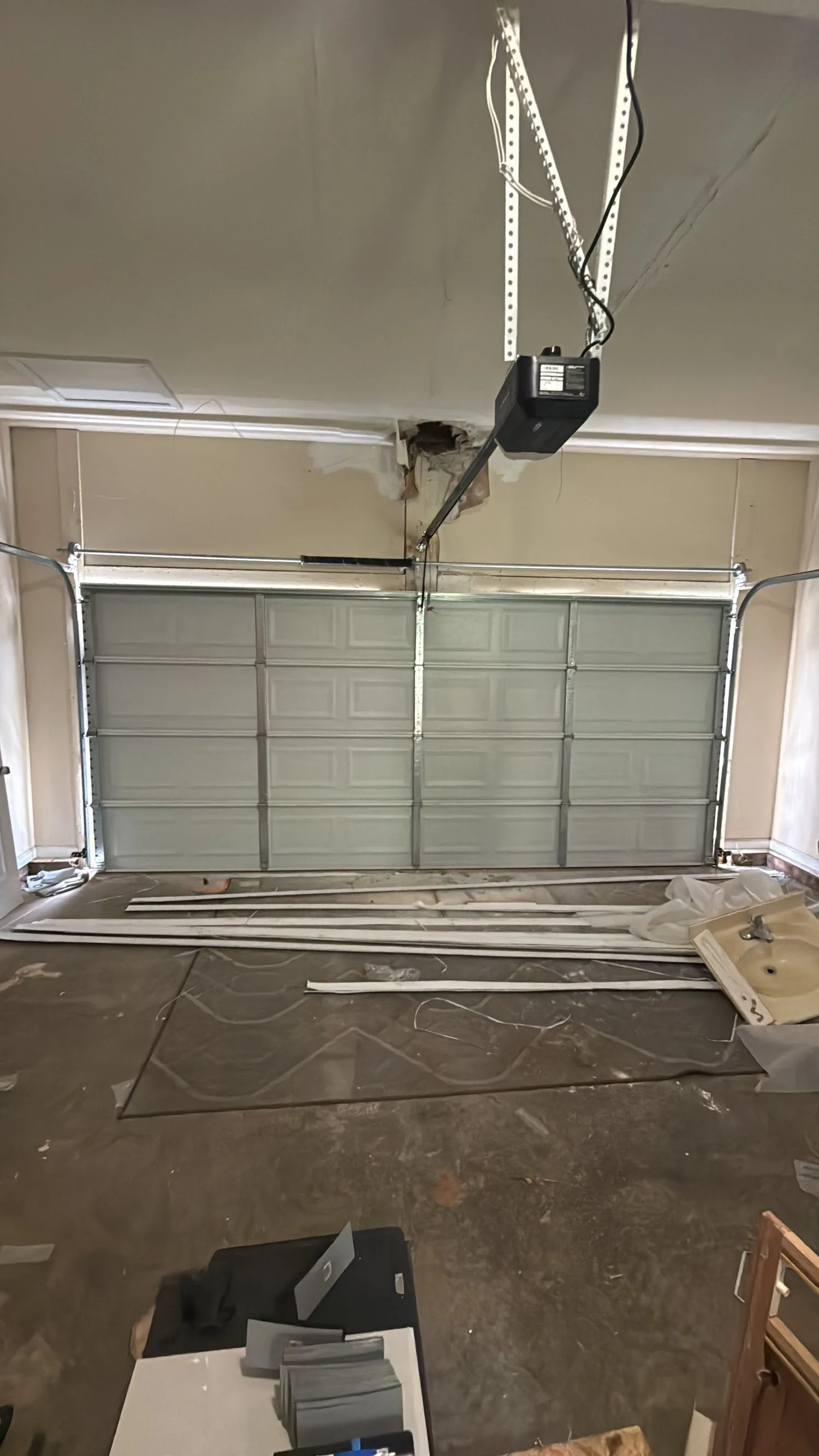
DASMA's guidance is plain: photo-eye sensors must not be installed higher than six inches above the garage floor. Chamberlain's install instructions say the same. Mounted higher, the beam can miss a small child or pet lying under the door.
Taping sensors together, mounting them on the ceiling or holding the wall button to override them defeats the safety system the federal rule requires. If they keep failing, get them fixed.
The monthly reverse test
The CPSC says the reversing feature should be tested monthly. Chamberlain says the same and adds a retest after any spring, door or opener repair.
- Open the door fully.
- Lay a 2x4 flat on the floor in the center of the opening. Chamberlain's requirement is that the door reverse on a 1-1/2 inch high object.
- Close the door with the remote or wall button.
- The door should touch the board and reverse. If it stops on the board or stays down, it fails.
- Remove the board. Then wave a broom handle through the beam while the door closes; it should reverse again.
If either test fails, stop using the opener for closing until it's adjusted. See garage door opener repair for how we check sensors, force settings and wiring.
Need it fixed?
Garage Door Opener Repair across Greenville and the Upstate
Upfront pricing, a 5.0-star Google rating and a Greenville crew that explains the fix first.
Frequently asked questions
Why does my garage door go down and then back up?
Most often the safety sensors see something, are misaligned or have dirty lenses. A force setting that's too sensitive can also cause it. Check the sensor lights first.
Does my old opener meet the federal rule?
The CPSC's entrapment requirements apply to openers made on or after January 1, 1993. If yours has no sensors and fails the reverse test, it's time to talk about a replacement.
How high should garage door sensors be?
No higher than six inches above the floor, per DASMA and Chamberlain's instructions.
Do you install new openers?
Yes. We install Chamberlain openers and set up the sensors and reverse test before we leave.